Climate Resilience & Biodiversity Protection
The Challenge
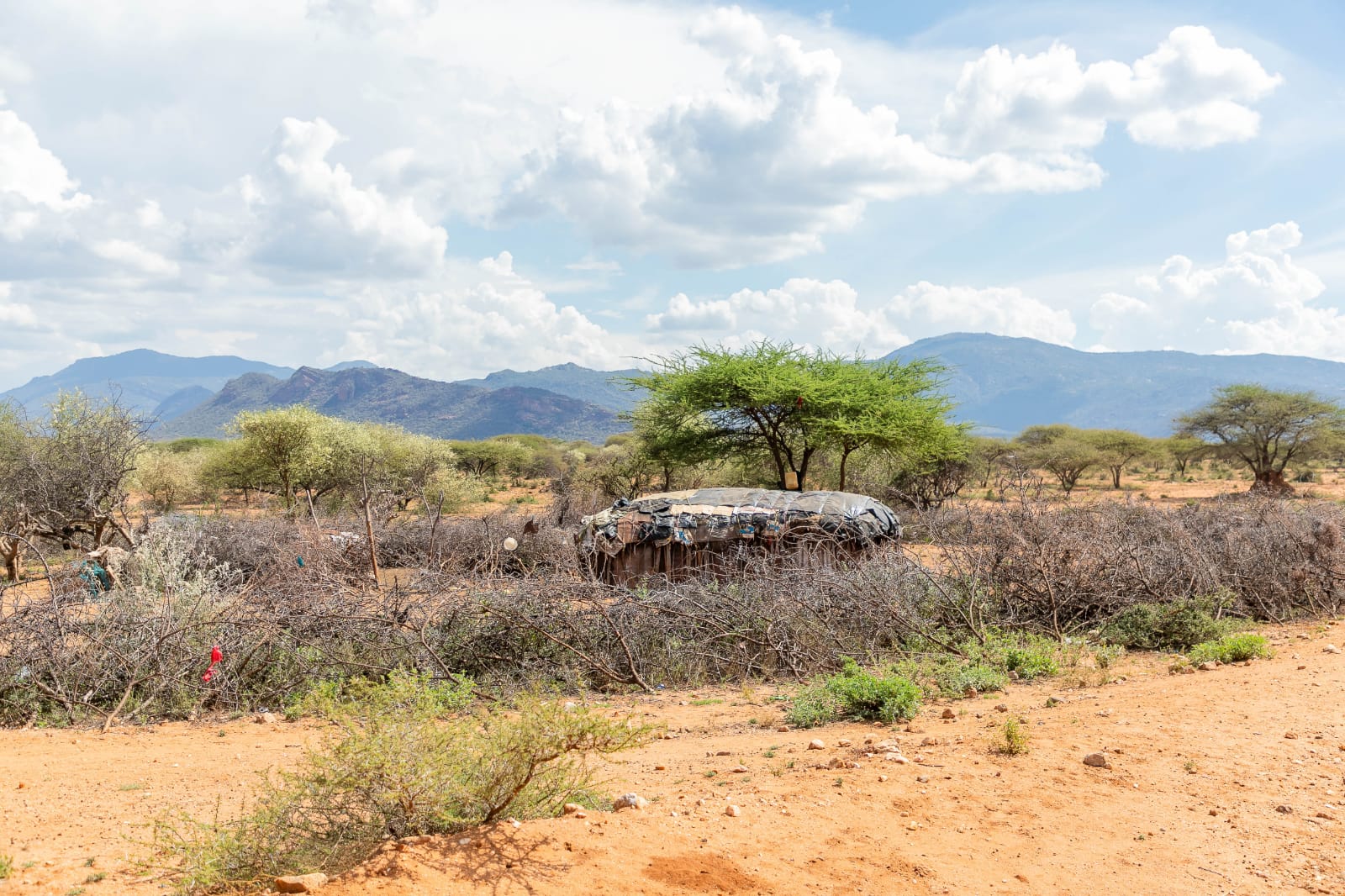
Rangelands and ecosystems that support pastoral and Indigenous communities are under increasing pressure from climate change and biodiversity loss. Rainfall is becoming more unpredictable, droughts are more frequent, and water sources are shrinking. At the same time, habitats that once supported rich biodiversity — grasses, forests, wetlands, and wildlife corridors — are being degraded or fragmented. This weakens the natural systems that communities depend on for grazing, water, and survival. Many responses to these challenges have been fragmented, focusing on short-term fixes rather than restoring the long-term health and diversity of ecosystems.

Why It Matters
Biodiversity and climate resilience are the foundation of life in rangeland systems. When ecosystems are healthy and diverse, they recover faster from drought, support livestock and wildlife, and sustain community livelihoods. When they are degraded, vulnerability increases — affecting food security, mobility, peace, and economic stability. Protecting biodiversity is therefore not separate from climate action; it is part of it.
What We Do
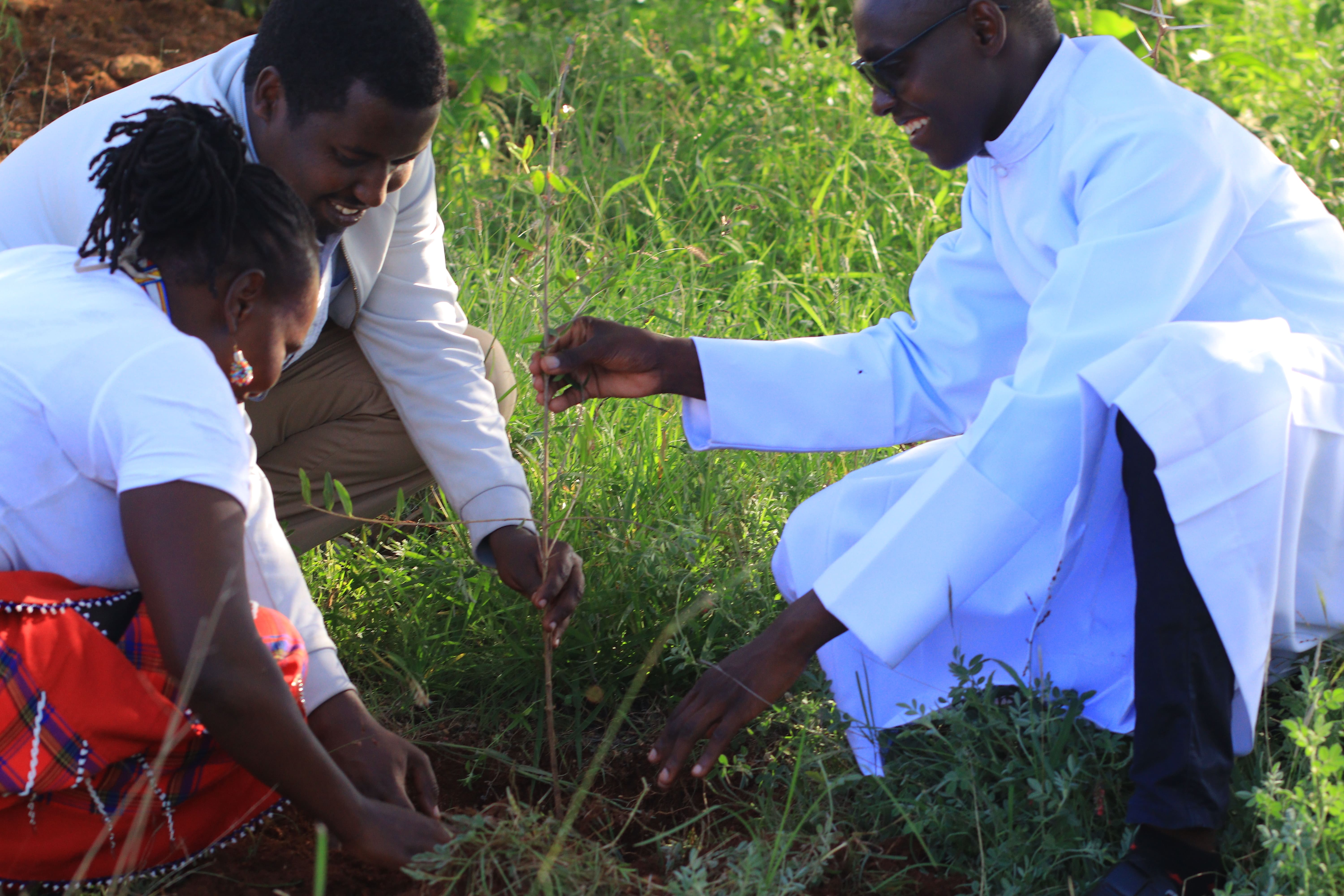
We work with communities to restore and protect ecosystems while strengthening their ability to adapt to climate change. Our approach focuses on rebuilding the health, diversity, and function of landscapes so that they can continue to support both people and wildlife. We combine ecological restoration with Indigenous knowledge of seasons, grazing patterns, and landscape management.
How We Work
Restoring degraded rangelands through community-led action.
Supporting protection and recovery of biodiversity and wildlife habitats.
Rehabilitating watersheds and key water sources.
Promoting nature-based solutions for climate adaptation and mitigation.
Integrating Indigenous ecological knowledge into restoration practices.
Strengthening community systems for monitoring and managing ecosystems.
What We Aim to Achieve
We envision living landscapes where biodiversity is restored, ecosystems are functioning, and communities are resilient to climate change — where land, water, plants, animals, and people exist in balance and continuity.